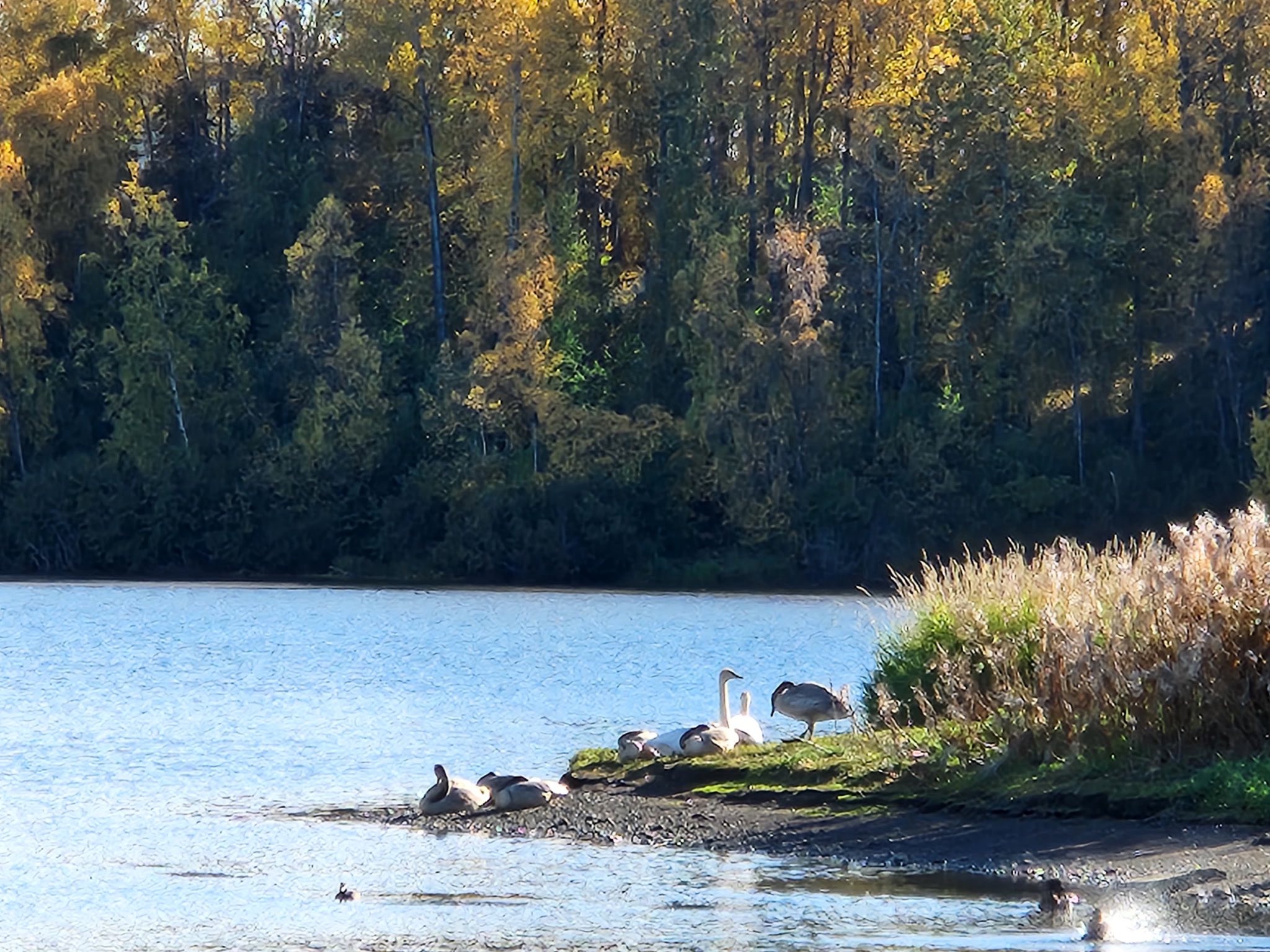
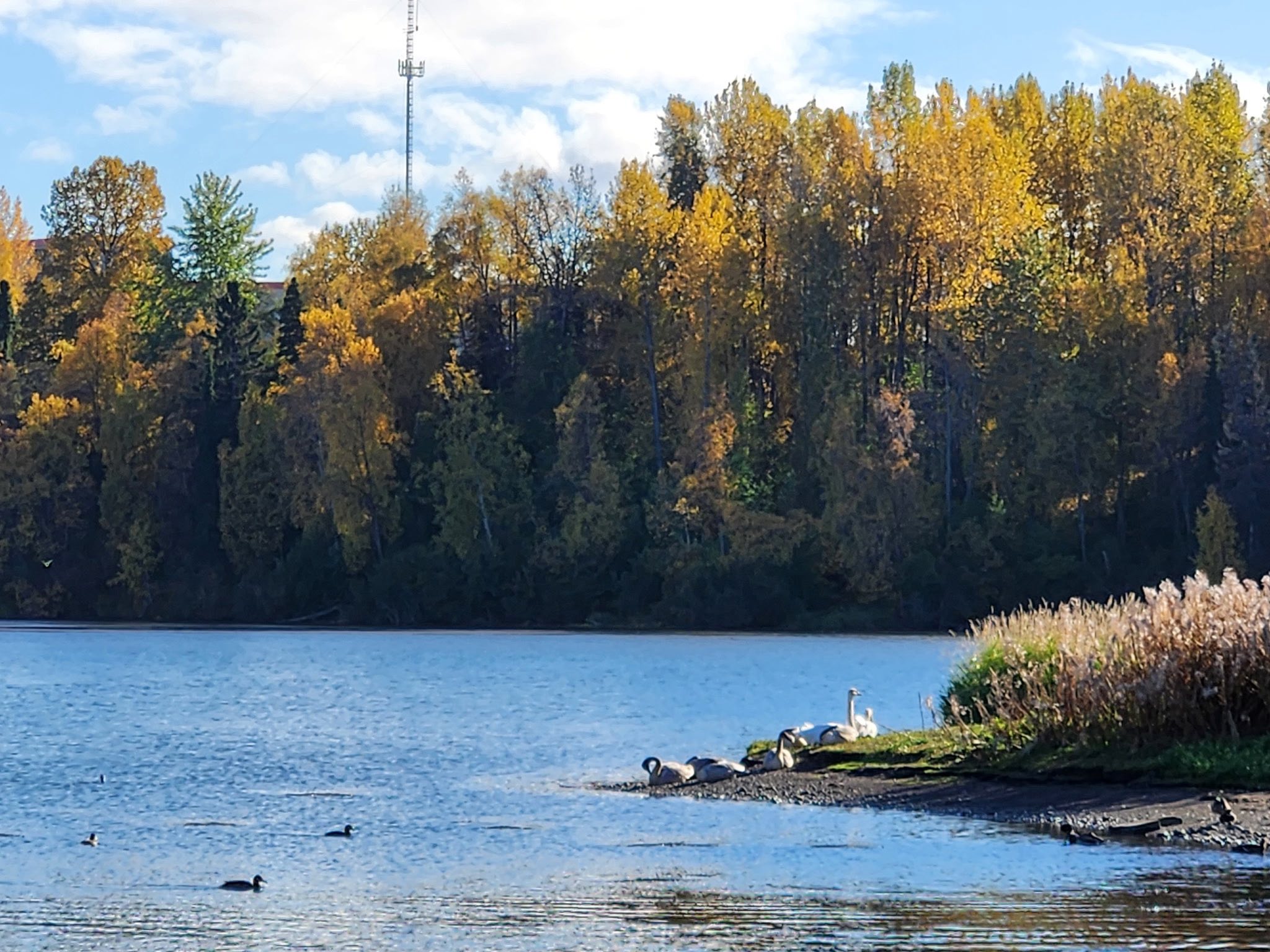
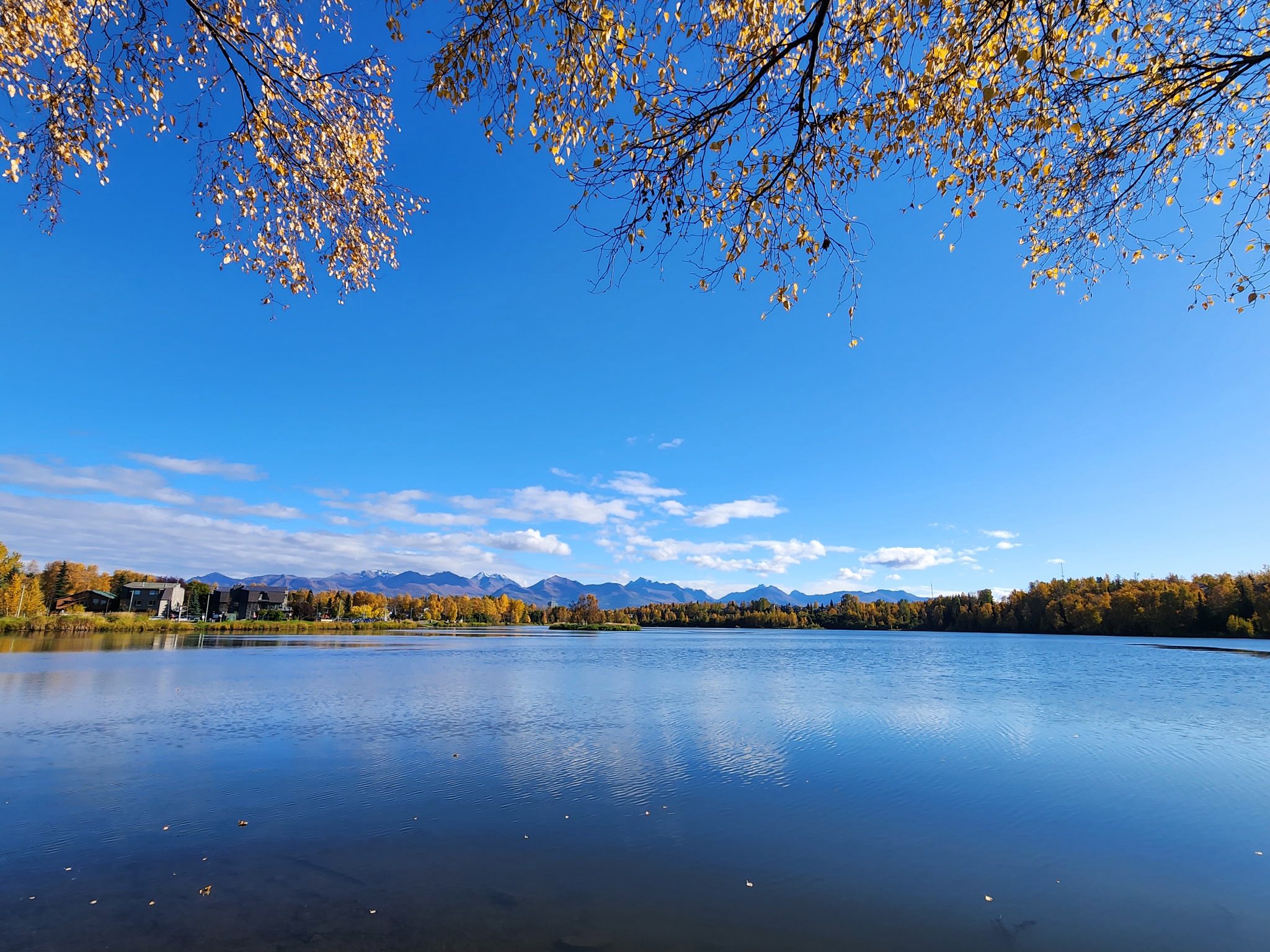
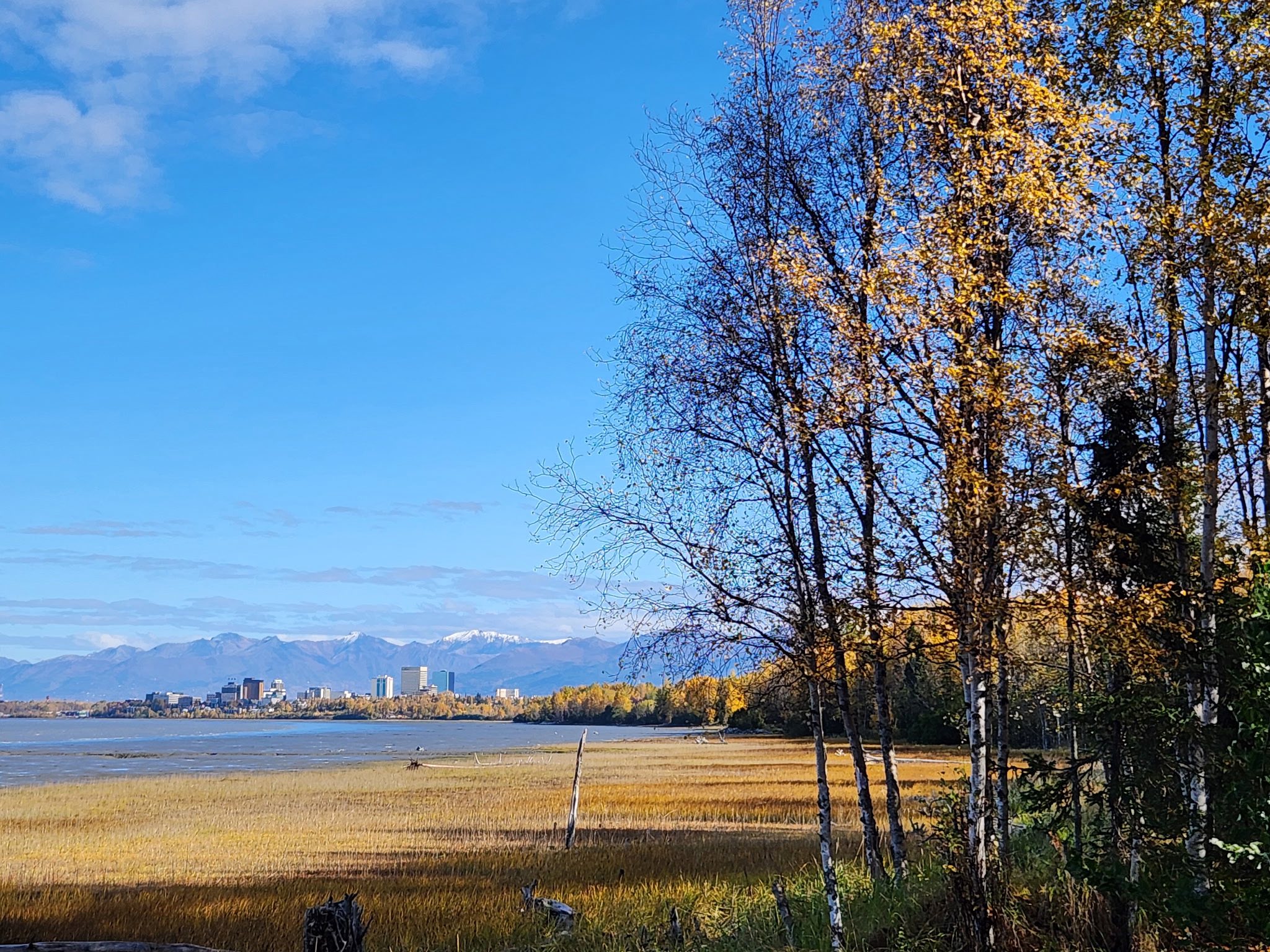

Alaska’s fall doesn’t linger. It slips in almost unnoticed, then paints the entire landscape in gold before vanishing into winter. The change happens fast — sometimes in a week, sometimes in a few days — but while it lasts, it feels like the whole state exhales.
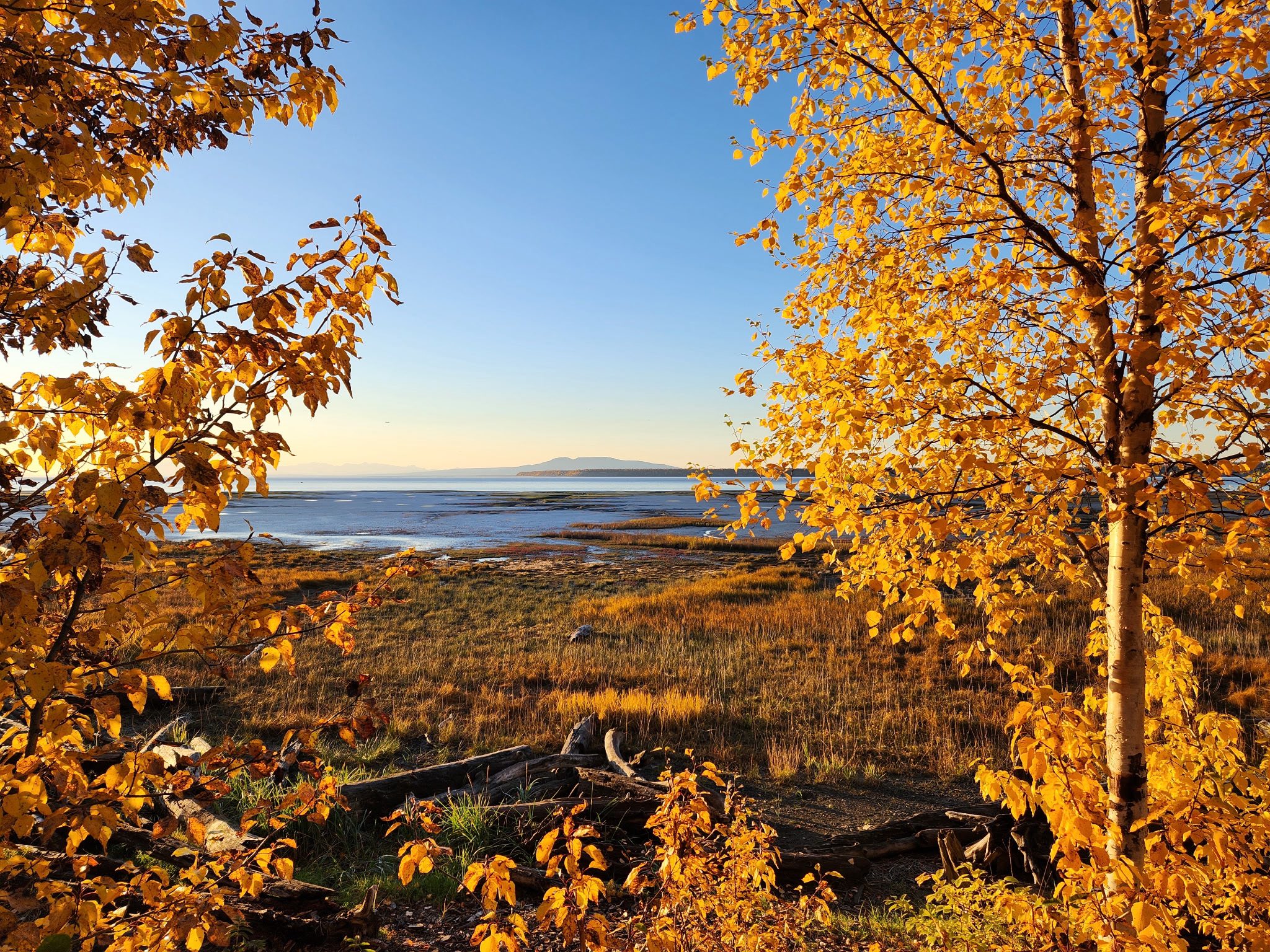
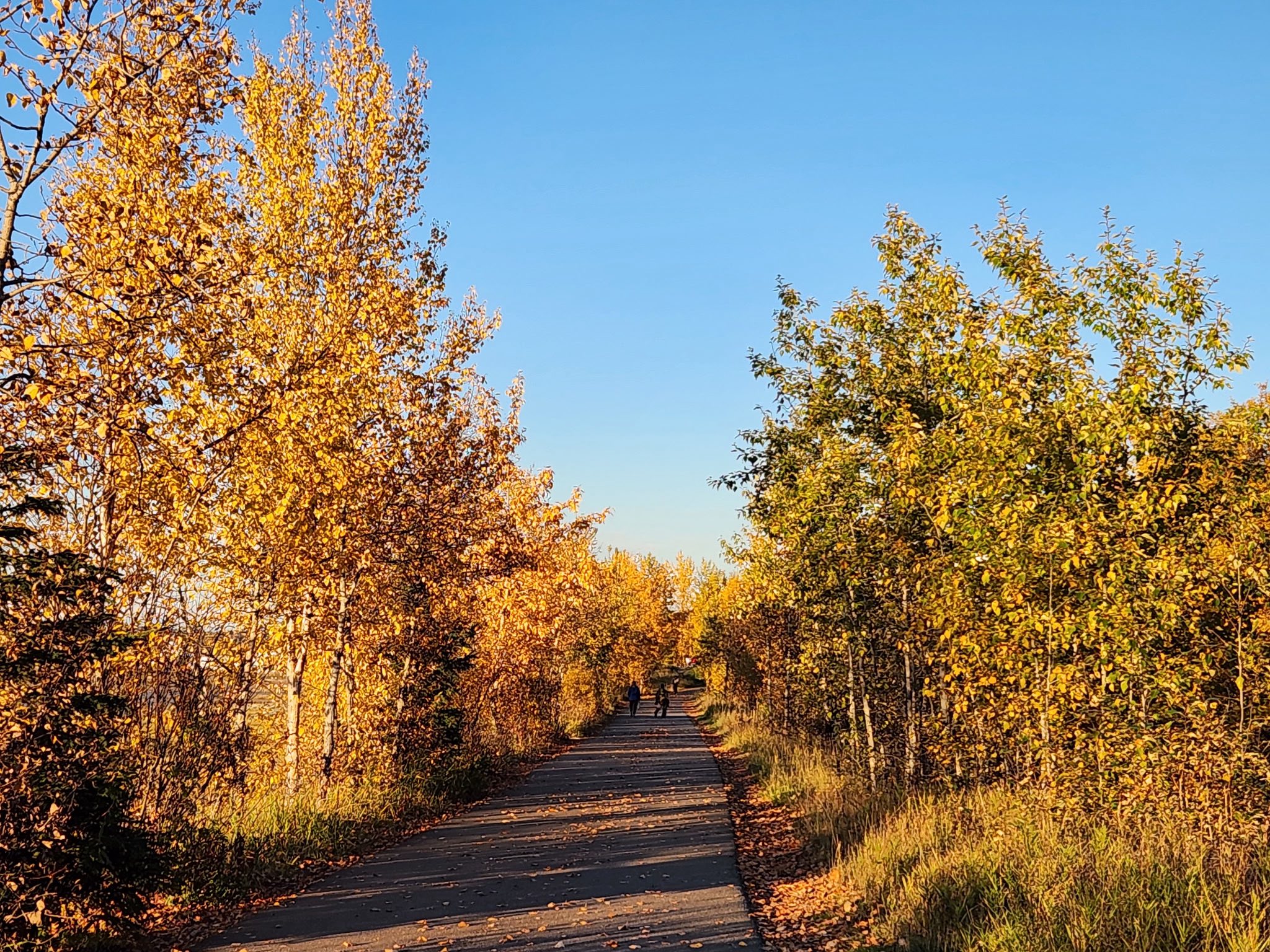
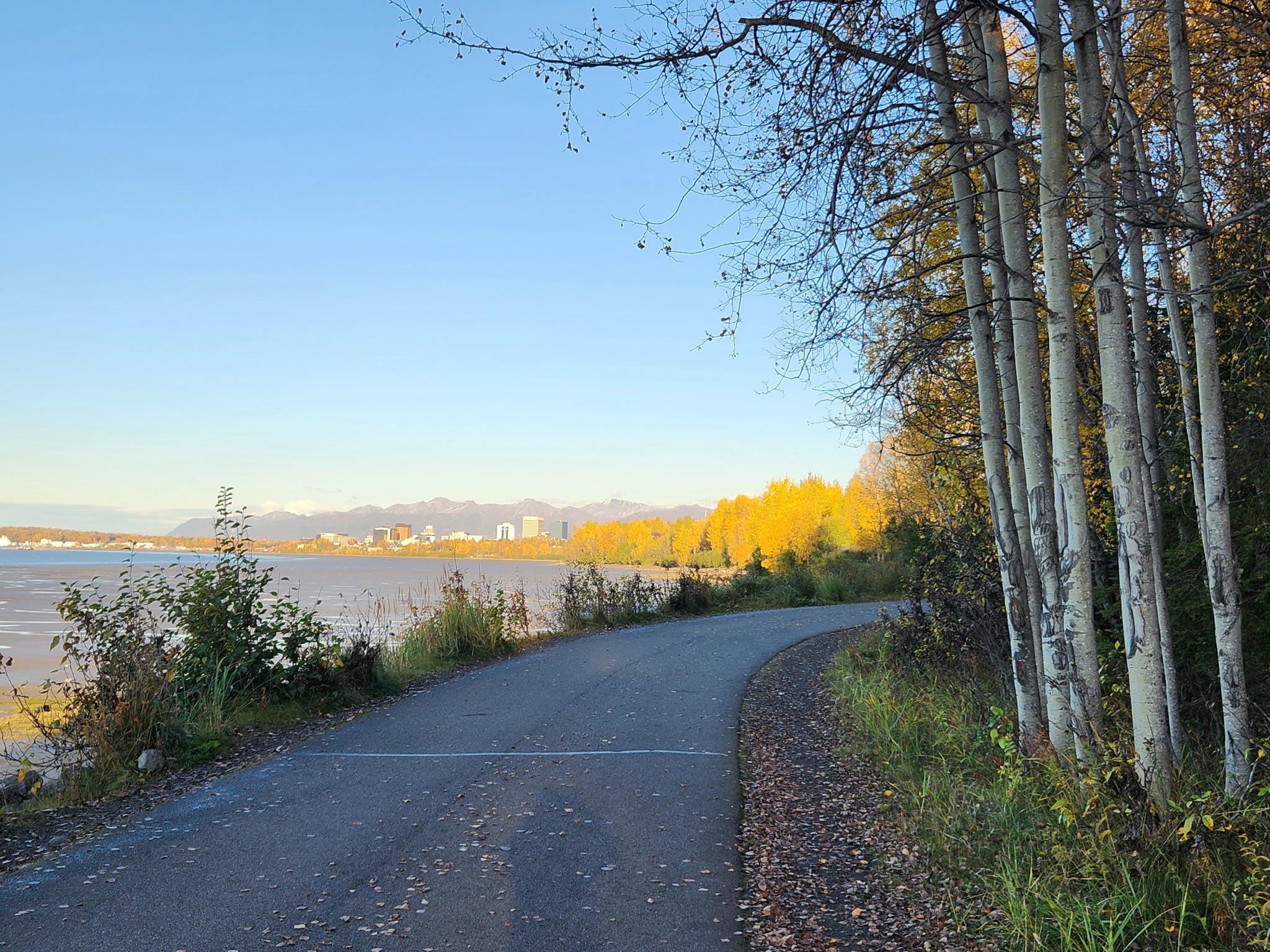
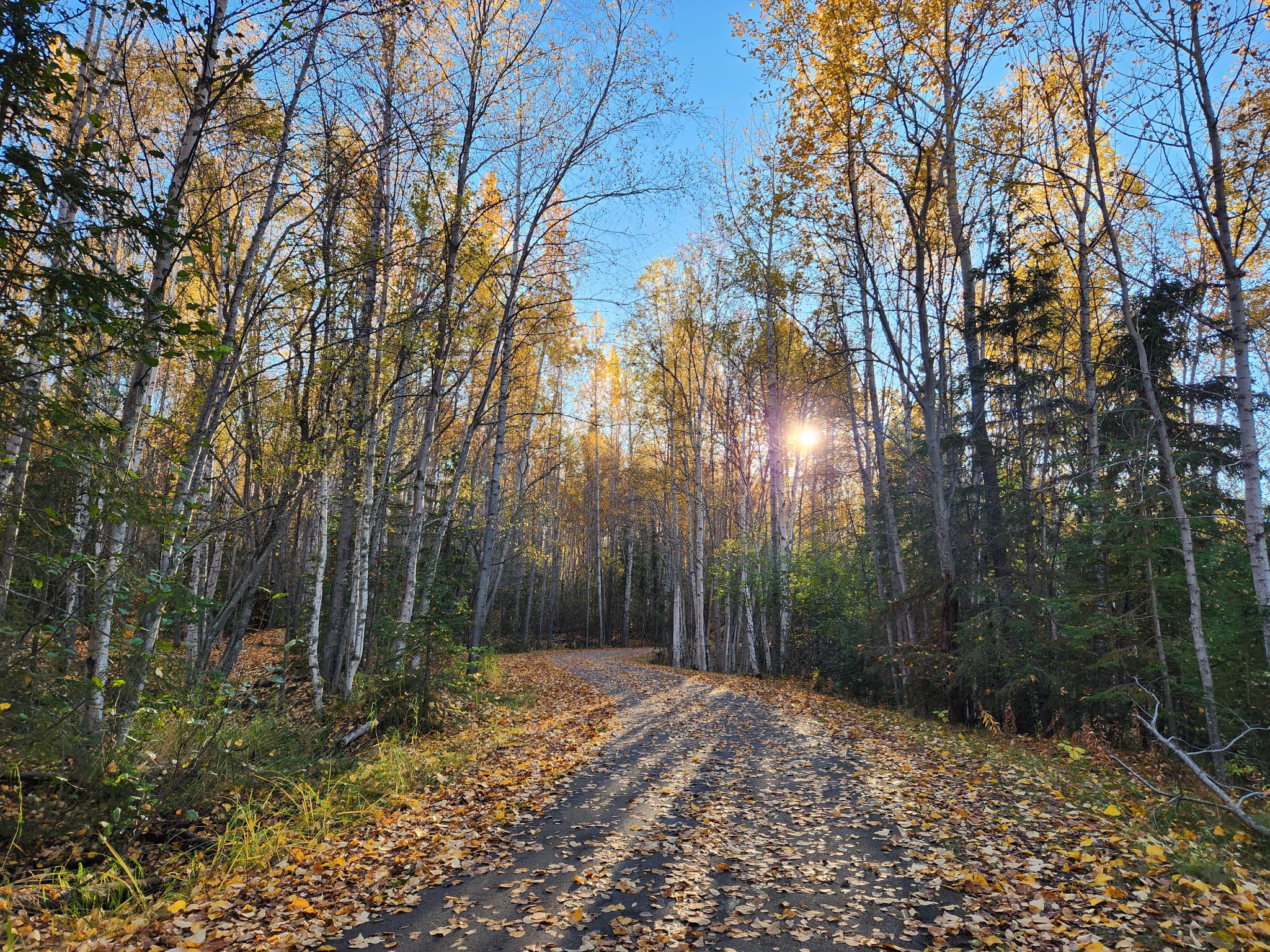
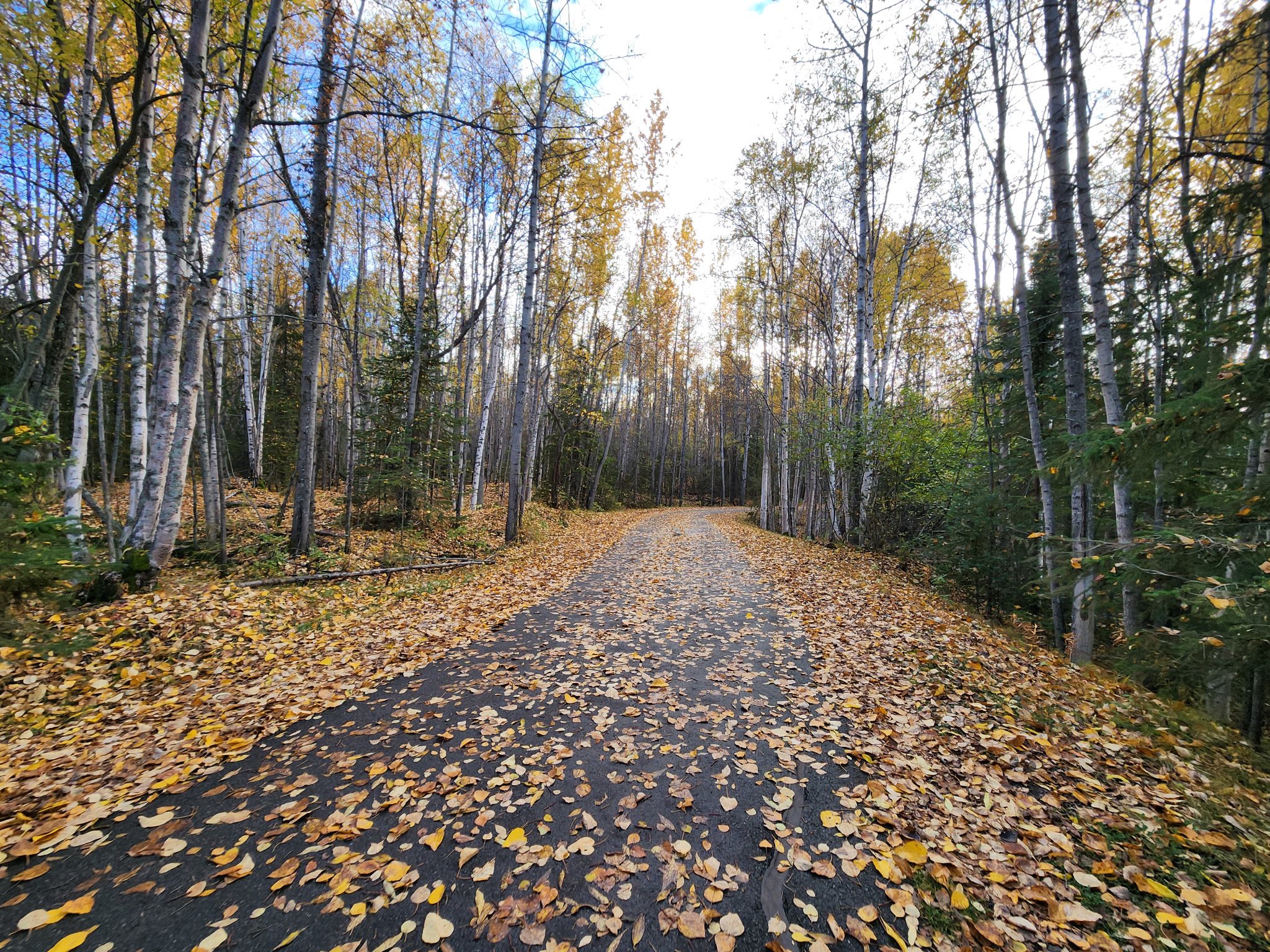
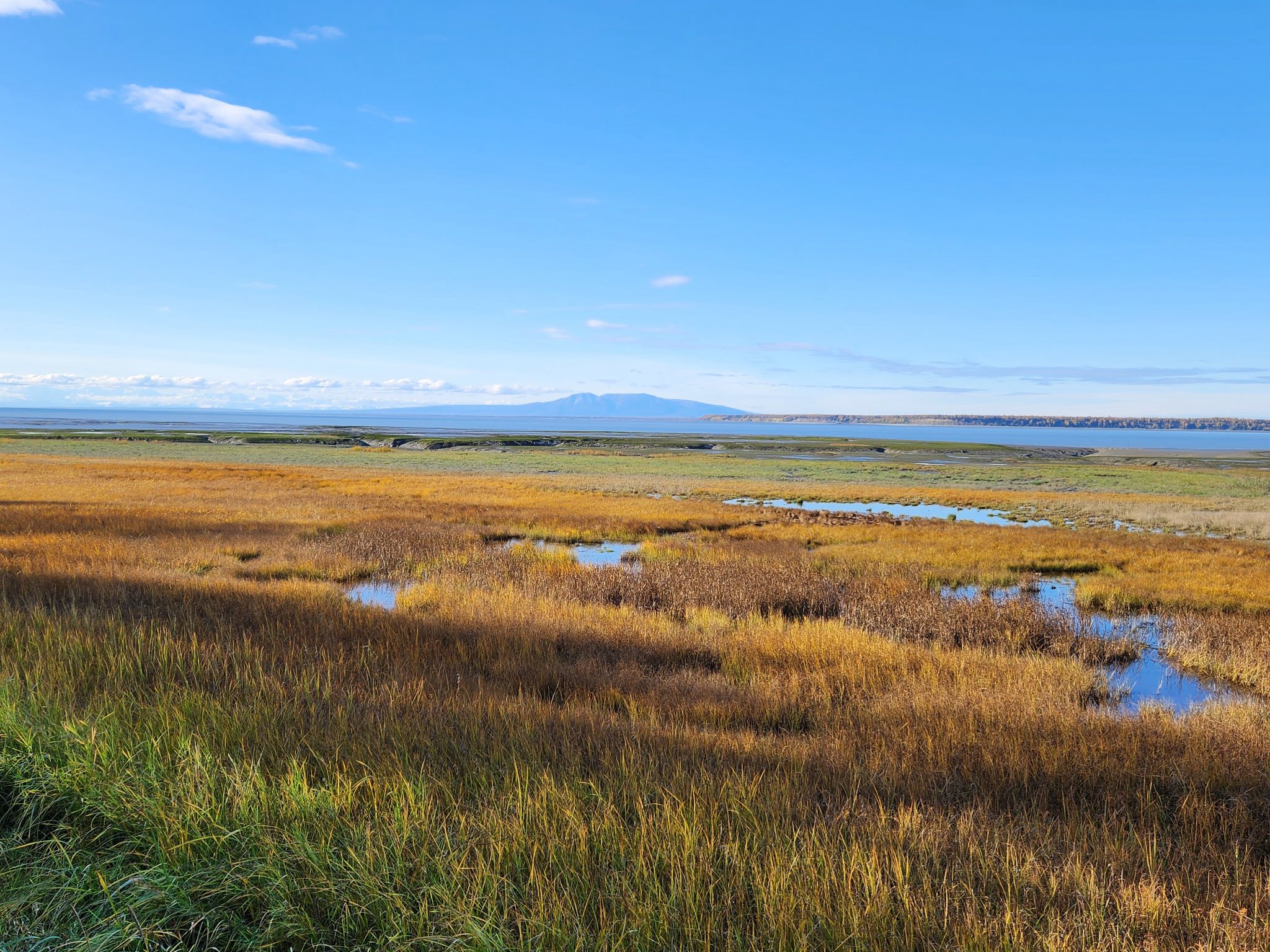
By early September, the birch and aspen trees begin to turn, their leaves glowing in the low Arctic sun. Hillsides blaze with yellow and orange, and the tundra below them shifts into deep reds and rusts. The air turns sharp, carrying the scent of damp earth and wood smoke. You can feel the balance tipping — summer warmth fading, cold air moving in from the mountains.
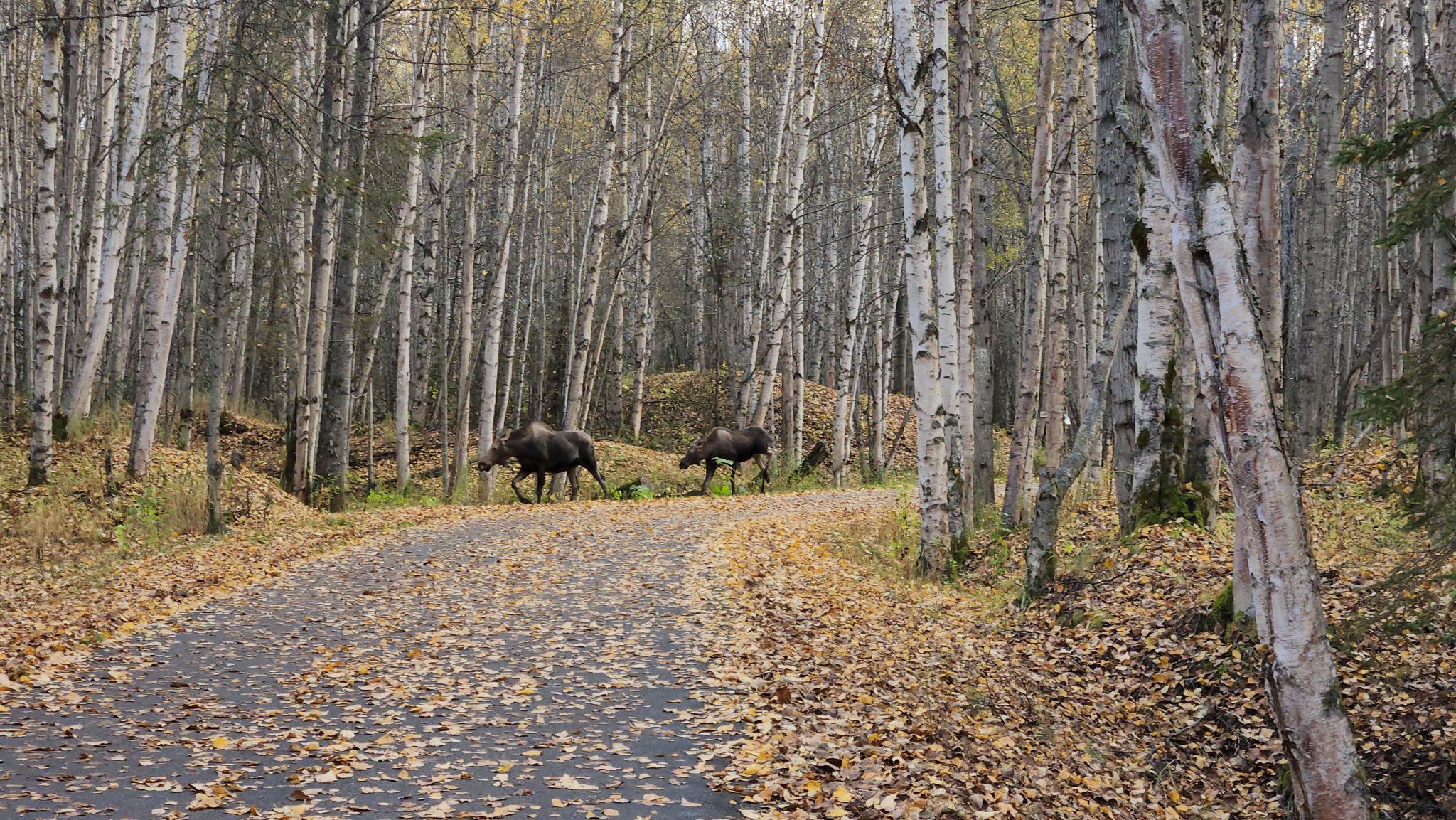
Wildlife seems to know it too. Moose wander through the golden brush, fattening up before snow covers the ground. Bears are busy finding their last meals, and flocks of geese cut through the sky, heading south with noisy determination.
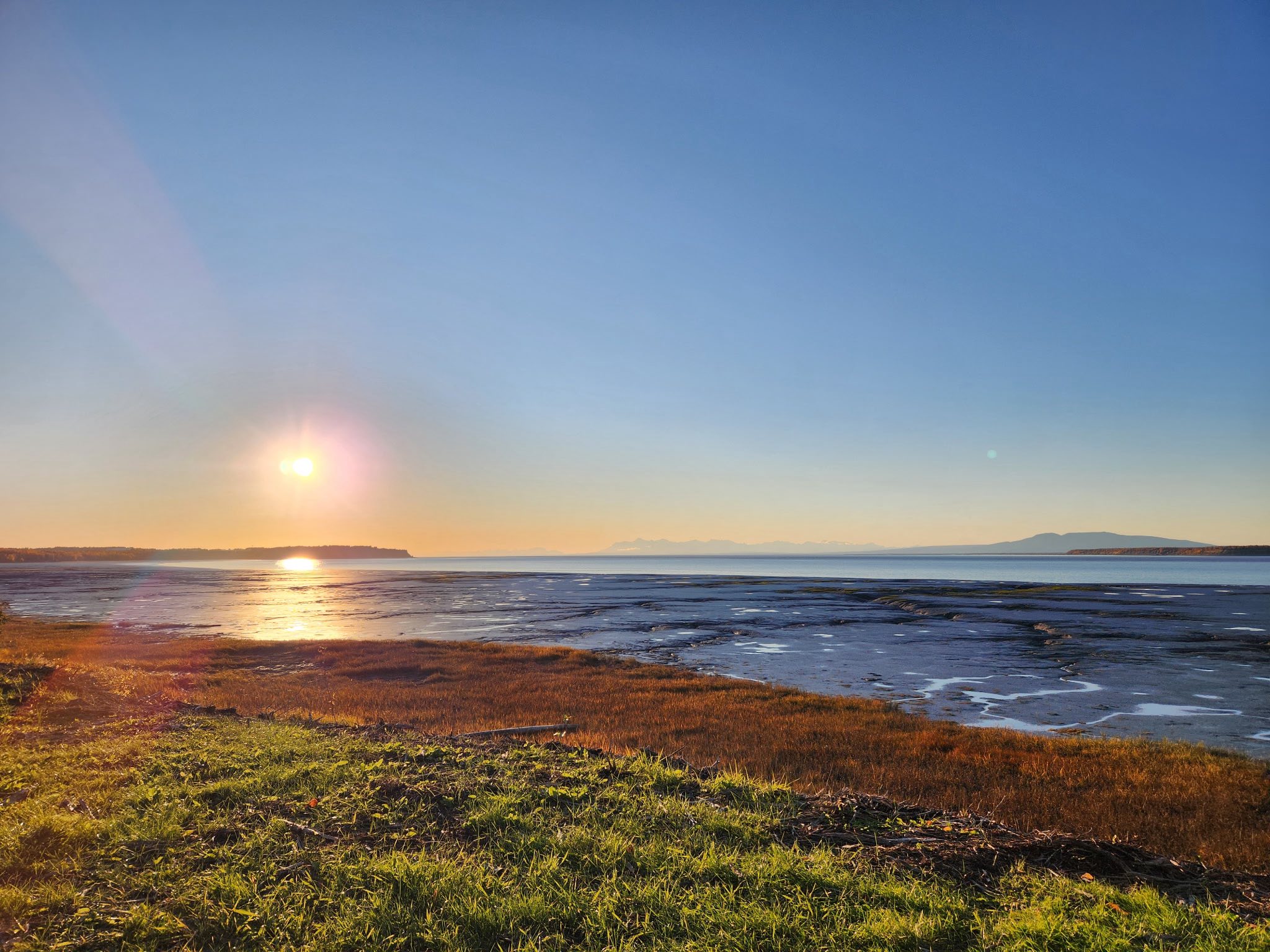
The light itself becomes part of the magic. As the days shorten, the sun hangs lower on the horizon, casting a soft, amber glow that makes even an ordinary walk feel cinematic. The mornings arrive with frost and stillness, the kind that makes your breath hang in the air before dissolving into silence.
By mid-October, the leaves are gone. Branches stand bare against the first hints of snow. The roads quiet down. It’s the calm between two extremes — the brief pause before Alaska becomes its winter self again.
Fall here isn’t a long story, but it’s one you feel deeply. It’s about learning to appreciate what’s temporary — the warmth, the light, the sound of wind in the birches — because in Alaska, nothing gold stays for long.
 JIlana in USA
Leave a comment